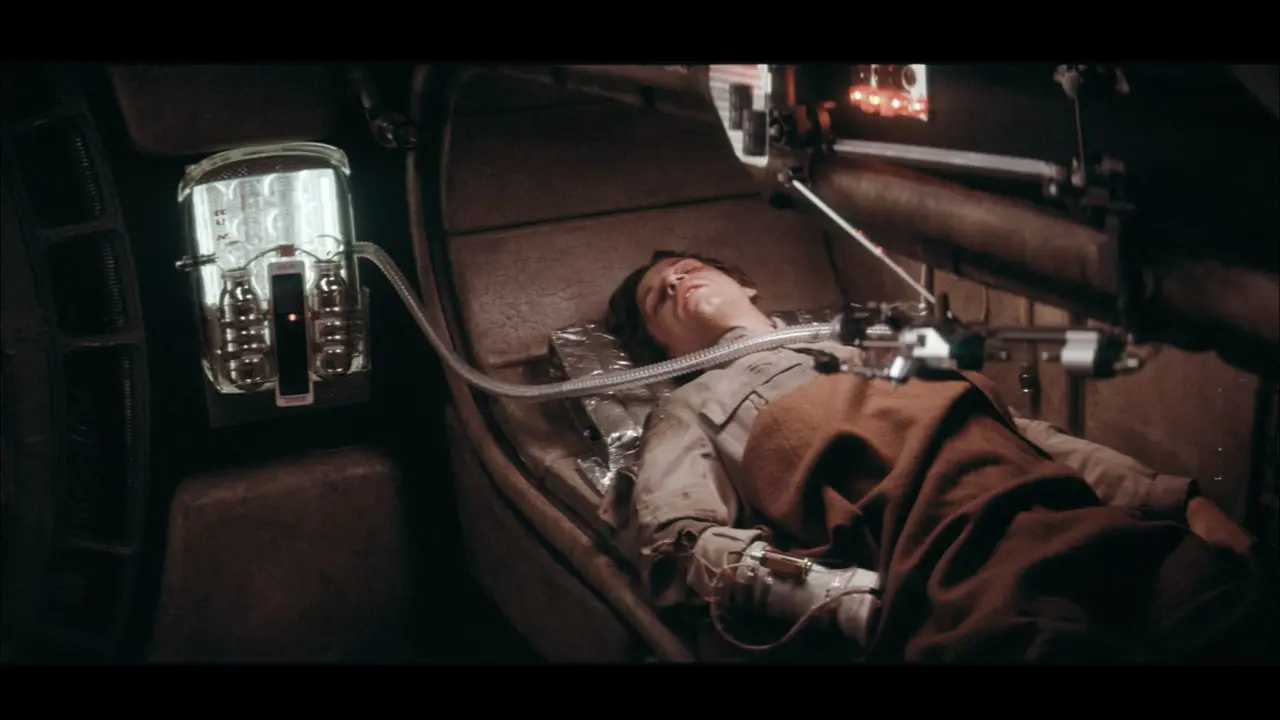
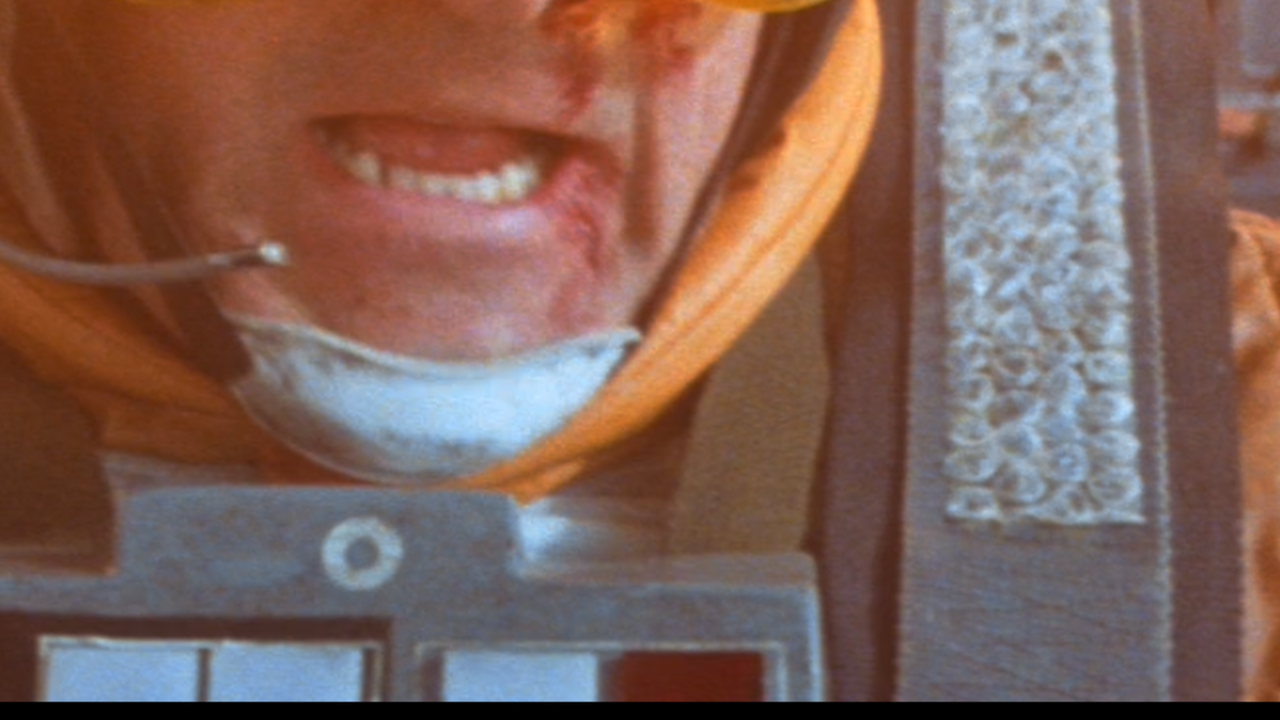
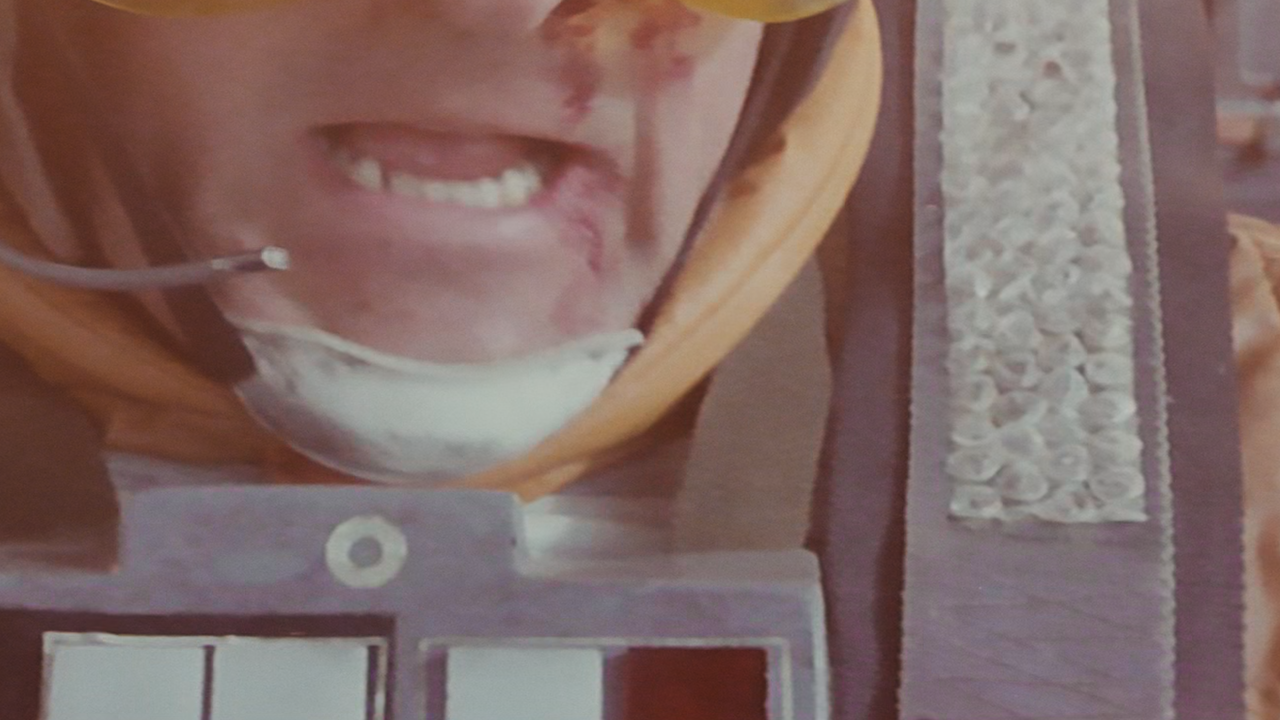
YAREL_RGP said:
DarthSmaul said:
YAREL_RGP said:
I find it very strange how much ALI and 4K80 color match, only in 4K80, because with the others they are quite different
Well UHD and Blu Ray were intentionally tampered with color-wise. 4K80 (as well as 77 and 83) was an attempt to get everything looking as theatrically accurate as possible which the new ALI restoration is doing to a much greater extent.
I know very well that the colors of the 04/19 Master are a super inaccurate disaster on a galactic level, but what I meant was that 4K80 was colored without any existing references, none at all. The base copy that 4K80 uses was faded and tinted red. I think they used one of Dr. Dre’s tools to recover the color from red copies, but I’m surprised that ALI looks so similar. Normally, theatrical copies tend to have different colors compared to the archive material (whether it’s the OCN or the IP that the studio has).
The OCN and the IP are never color timed.
In most cases, it was the IN that was color timed. Today, we have to color time theatrical prints right off of the OCN as Kodak no longer makes true IN/IP film. (You now have to print your OCN as a positive back on to the same OCN emulsion to save an “IP” for safety and preservation.)
Before the advent of digital cinema, you printed a color timed “Show Print” (sometimes called a “Kodak”) off of the OCN for premieres and other special events. This was the absolute highest quality version of a film that one could experience.
This is also how “Answer Prints” were made to be approved by the filmmaker after cutting, color timing, etc.
But the 4th generation theatrical print that was sent to theaters was either contact printed off of a color timed IN or it was color timed during the printing process based on the final settings of the Answer Print.
The reality is that there is no “exact one way” a movie ever looked theatrically.
A 70 MM blowup print of Star Wars will look slightly different than a 35 MM print, which will itself look different than one of the IB Tech prints struck in London for the UK release. Prints printed at different labs will look different due to the unique nature of the “soup” at each facility. Even the same lab could produce wildly different results depending on who was running things on that particular day.
Film color has always been a moving target.
And that’s before you factor in all the other variables like what kind of projector was used to project the film? What kind of screen was it projected on? How old was the bulb? How dim was the bulb set for that screen?
And on home video, the various technologies over the years, from CRTs to Plasma to LED to OLED and beyond, all have their own unique way of reproducing color.
You could take a top of the line Sony OLED and a top of the line LG OLED and have both professionally calibrated. Now put them side by side and run the same exact video signal to both and you will be able to see slight variances in color, brightness, etc.
And to top it all off, each individual has different eyesight. Age, sex and a variety of health factors can make a significant difference on how we each see and recognize color. Women, in general, have much better color sensitivity than men. Some women even have additional cones in their retina that allow them to see way more colors, (Look up Tetrachromacy). If you’re curious, take the “X-Rite Color Challenge and Hue Test” to see how good your eyes are when it comes to judging color.